Say a plumber in Leeds is told by three different sellers that £500 in Google Ads will make the phone ring. It might, and ads do send calls to plenty of UK plumbers. What rarely gets said is that nobody can price a job won until they know how many of the enquiries you win.
The click price is the number everyone prints, and it is the least useful one. Two 2026 UK guides disagree on the top of the range by £10. What matters is the cost per job won, and that is a division you can do on the back of an invoice pad. This post does it with the guides' own inputs, shows where Local Services Ads change the sum, and says honestly when Google Maps work is the slower but cheaper route for a UK trade.
What a click costs a plumber in the UK, and who says so
Two UK guides dated 2026 put a click on a plumbing keyword anywhere from £2 to £25, and neither is a measurement of your area.
Trade2Base's June 2026 guide gives £4 to £12 for emergency plumber searches, £5 to £15 for boiler installation, £2 to £6 for a boiler service and £3 to £9 for a general plumber search, with London and the big cities at the top. Whito's plumber marketing costs page says £4 to £25 depending on keyword and location, and a typical start of £300 to £800 a month. Whito states that it compiles figures other organisations have published and is not collecting its own data, and the dates printed on that page disagree with each other, so I treat it as a range of opinion.
That last figure comes from SanXpert Digital's plumbers page, which prints no date, no client count and no method, and moves between "enquiry" and "lead". It may be true for them. It is not something to plan a budget on. Google itself says the maximum you set is a cap, and the actual cost per click is a separate figure shown in your account. So the only real click price for your town is the one your own account shows after a fortnight of spend.
From click to job won: the sum nobody prints
A £6 click that turns into an enquiry 15 times in 100 costs £40 a lead, and if you win one lead in three that is £120 for each job.
The £6 and the 10 to 20 per cent come from Trade2Base, which works the same sum to £40 a lead at 15 per cent and £60 at 10 per cent. The step it stops short of is the one that decides your margin: how many of those enquiries you actually win. An emergency call-out is often one ring and one decision, while a bathroom refit is usually quoted against other firms, so the win rate differs by the kind of work you buy clicks for. Here is the cost per job won across the win rates I would test.
| Cost per lead (Trade2Base's inputs) | Win every other lead | Win one in three | Win one in five |
|---|---|---|---|
| £40 (15 clicks in 100 become leads) | £80 a job | £120 a job | £200 a job |
| £60 (10 clicks in 100 become leads) | £120 a job | £180 a job | £300 a job |
Cost per lead divided by the share of leads you win. The £6 click, the 10 and 15 per cent and the resulting £40 and £60 are Trade2Base's June 2026 figures. The win rates are my assumptions to be replaced by your own count.
Look at the corners. At £40 a lead and a 50 per cent win rate, a job costs you £80 before you have driven to it. At £60 a lead and one win in five it is £300, which may be more than a small job leaves you once parts and travel are paid. The same ad budget produces both outcomes, and nothing in the ad account tells you which one you are in until you log the jobs.
The monthly budget, as a receipt
Trade2Base advises at least £400 to £800 a month to get usable data, which is £4,800 to £9,600 over a year before any job is booked.
One UK plumber, £600 of ads, labelled inputs
| Ad spend for the month | £600 |
| Clicks at £6 each | 100 clicks |
| Enquiries at 15 in 100 | 15 leads |
| Jobs won at one in three | 5 jobs |
| Cost per job won | £120 |
| Same spend, 10 in 100 and one in five | 10 leads, 2 jobs, £300 each |
Every line is an input or arithmetic on one. The £6, 15 and 10 per cent are Trade2Base's worked figures. The win rates and the £600 are mine. It is not a forecast for any plumber.
The first month is the most expensive of the lot, because the account is learning which searches ring and which just cost money. Trade2Base itself warns against a large budget on day one. The year's bill is the part to hold in mind: £600 a month for twelve months is £7,200, and it buys nothing you keep once you stop paying Google. The tracking and the call-answering are yours, but the position is not.
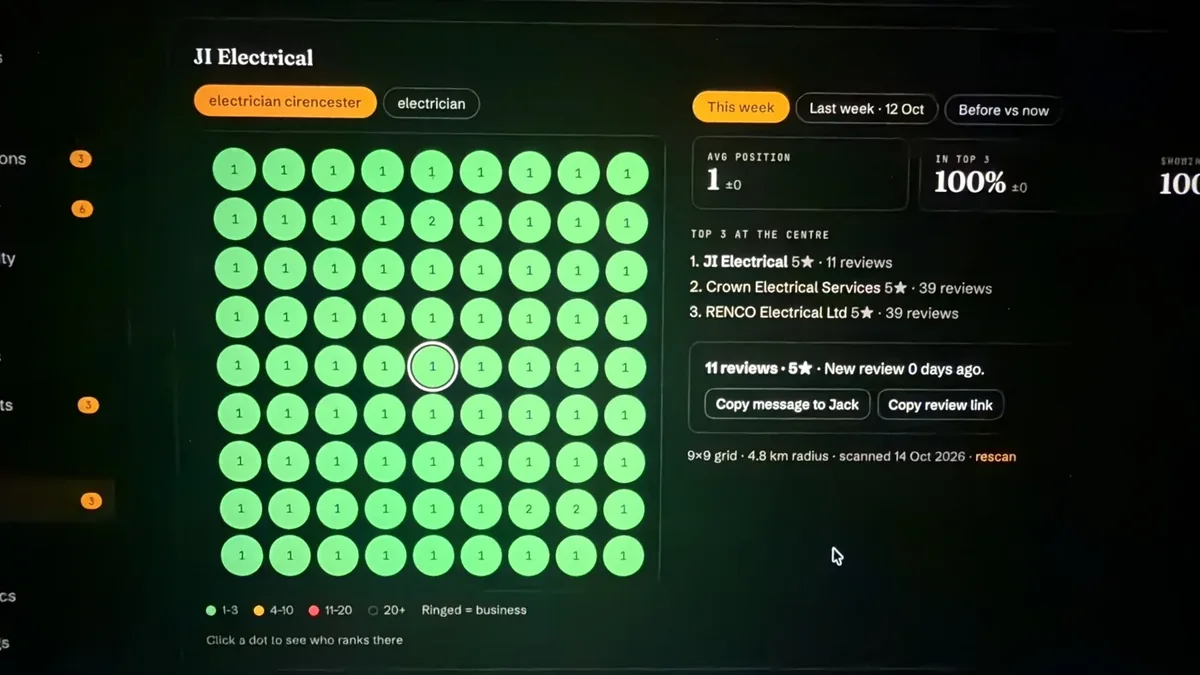
Want to see who sits above you on Google Maps? Check my Maps ranking
Local Services Ads are billed per lead, not per click
For plumbers Trade2Base lists £25 to £45 a lead on Local Services Ads, and Whito £15 to £40, so a one-in-three win rate lands at roughly £75 to £135 a job.
Trade2Base's Local Services Ads guide (8 June 2026) says you pay when a customer contacts you through the ad by call or message, that plumbers and electricians are eligible, that clearly invalid leads can be disputed in the dashboard, and that you should confirm your trade is available in your postcode before you plan around it. The £25 to £45 is its rough benchmark for plumbers and electricians, higher in London and the big cities. Whito's page gives £15 to £40 a lead and a 60 per cent close rate, which it turns into £25 to £67 per booked job at a job value of £200 to £300. Two sources, two ranges, and neither is a quote.
The arithmetic is kinder than click ads because you skip the clicks that never ring. It still has the same hole. A lead is someone who got in touch, not someone who hired you, and a boiler repair enquiry from outside your patch costs the same as one from your street.
Who this suits, as a decision map
Ads fit a plumber who wants work this week and has the van time to take it, and Maps fits the plumber who wants the phone ringing in a year without a standing bill.
What Google Maps work does differently
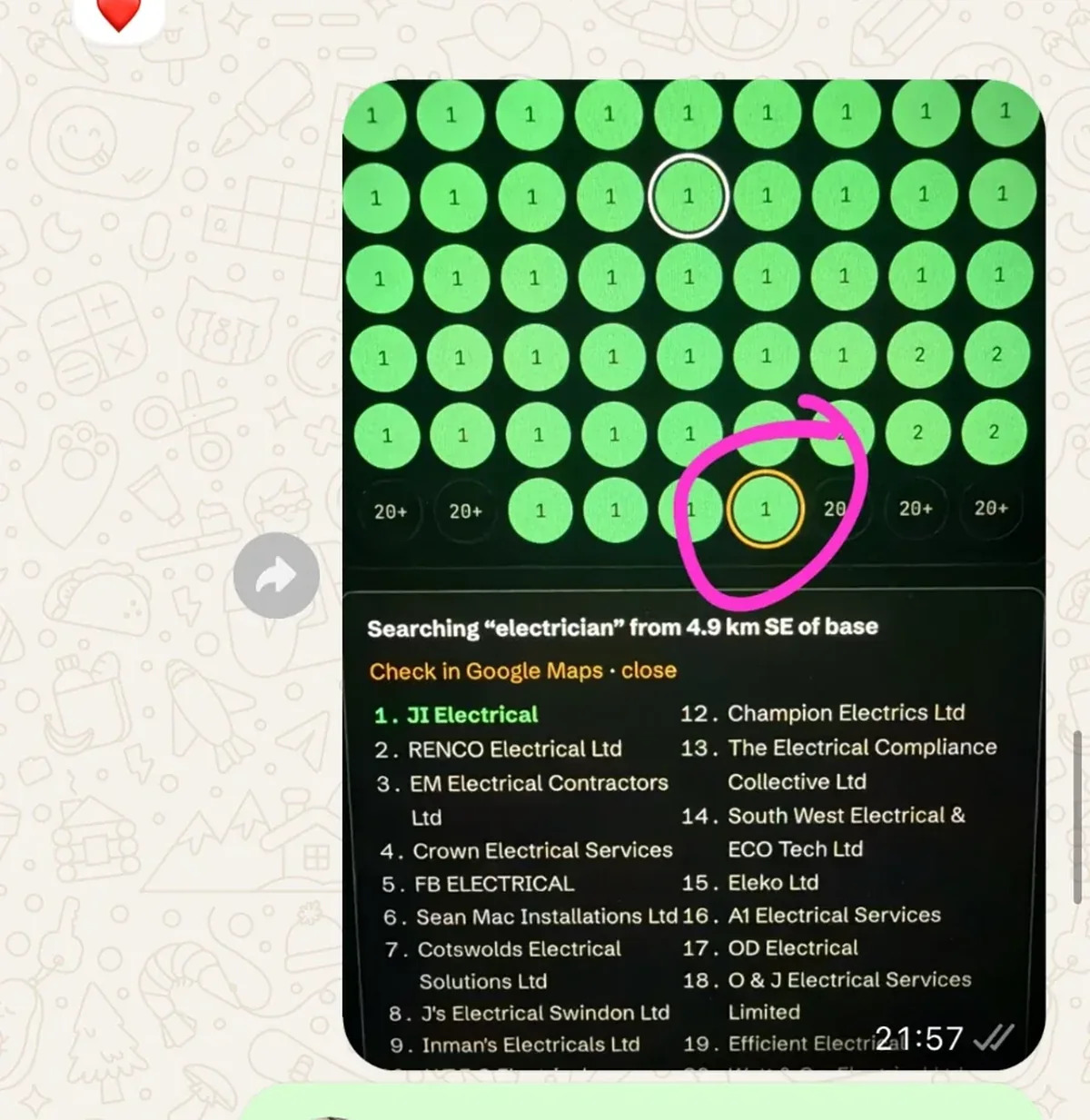
Google says there is no way to pay for a better local ranking, so the map box is earned through relevance, distance and prominence, and ads sit apart from it.
That is from Google Business Profile Help on local ranking: results are mainly based on relevance, distance and popularity, and "there's no way to request or pay for a better local ranking on Google." Ads can put you above the map box. They cannot move you inside it. The work that does is a complete profile, the right categories for a plumber and gas engineer, reviews from real customers, and a website that agrees with the profile.
Our Google Maps and SEO work is £300 every four weeks on a website you already have, or £350 with a website we build and host, with twelve weeks minimum and then rolling. Over a year that is 13 payments, £3,900 or £4,550, against £7,200 for the £600 ad month above. That is not like for like: ads can bring work in the first week and Maps work takes weeks. The guarantee is top 3 in Google Maps in 90 days or we work for free, measured by a grid scan, and it covers Google Maps, not the normal results below. For the wider market prices see what SEO costs across the UK, and our Checkatrade cost per job sum runs the same test for the directory route.
Before you spend the first pound
Five checks cost nothing and decide whether a paid test can be read at all.